IP Geolocation vs. IP Risk Scoring: What's the Difference and Which One You Actually Need
IP geolocation is useful when you need to know where an IP address appears to originate. But if you are trying to reduce fake leads, filter risky traffic, or understand whether a submission is worth trusting, location alone is only one signal. It tells you where a connection may be coming from. It does not tell you whether that connection looks suspicious.
That distinction matters because many businesses still treat IP geolocation as a proxy for trust. It is not. A city, country, or ASN can help you route, localize, or segment traffic, but fraud and abuse decisions usually require more context. That is where IP risk scoring becomes useful.
Why IP Geolocation Alone Falls Short
IP geolocation maps an address to a region, city, or network. For logistics, localization, and basic compliance checks, that can be enough. For trust and fraud workflows, it usually is not.
There are several reasons:
- VPNs, proxies, and relays can make a connection appear to come from somewhere else.
- Mobile and carrier-grade NAT traffic can collapse many users into a small number of shared IPs.
- Cloud hosting ranges often look clean in geolocation tools but can be overrepresented in automation.
- Location does not explain behavior, velocity, or historical risk.
If your only question is "Where is this IP located?" geolocation is the right tool. If your question is "Should I trust this submission?" geolocation is incomplete.
What IP Risk Scoring Adds
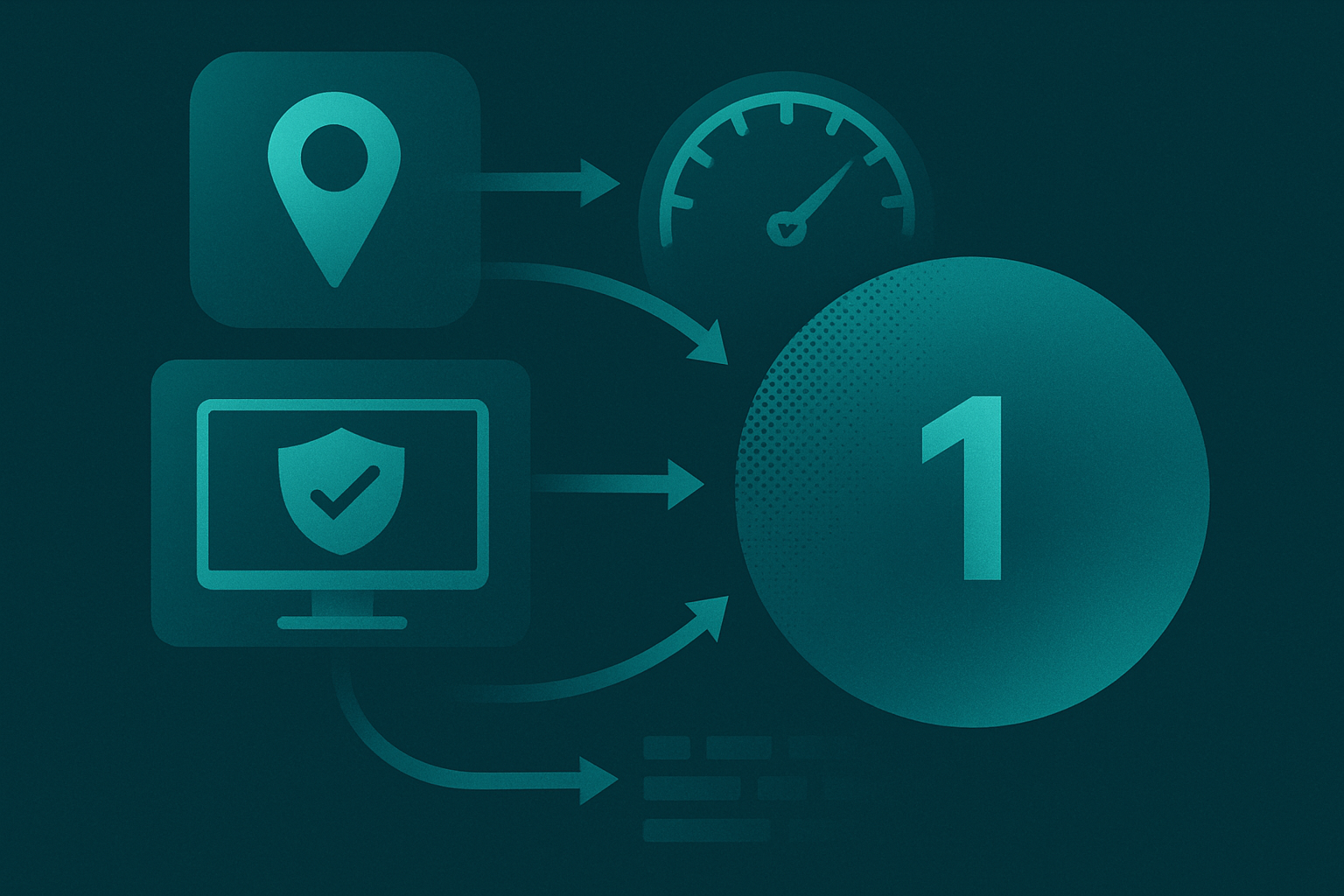
IP risk scoring evaluates an address in context. Instead of returning a location only, it combines multiple indicators to estimate whether the IP looks risky, neutral, or low-risk.
A useful scoring model may look at:
- Proxy, VPN, and relay signals
- Datacenter vs. residential network characteristics
- Abuse history and reputation patterns
- Velocity and repeat activity
- Consistency with the rest of the submission
This is the difference between a map and a judgment layer. The map tells you where the traffic appears to originate. The judgment layer tells you whether that traffic deserves closer review.
For teams working on lead quality or signup abuse, that extra context often matters more than raw location data.
IP Geolocation vs. IP Risk Scoring: A Simple Use-Case Matrix
| Use case | IP geolocation | IP risk scoring |
|---|---|---|
| Localized content or pricing | Useful | Optional |
| Regional routing | Useful | Optional |
| VPN and proxy detection | Limited | More relevant |
| Fake lead screening | Not enough | More useful |
| Automation and abuse review | Not enough | More useful |
| Fraud and trust workflows | Supporting signal | Core signal |
The best way to think about it is this: geolocation tells you about geography, while risk scoring tells you about trust.
How Opportify Approaches IP Intelligence

IP Insights is designed for teams that need more than a point lookup. It combines IP intelligence, network context, and risk scoring into a single analysis so you can evaluate each submission with more confidence.
That matters because a risky IP rarely appears risky in isolation. The signal becomes more valuable when it is evaluated alongside other indicators like email quality, behavioral patterns, and overall submission consistency.
For developers, that means one integration can return more than a location field. For security and fraud teams, it means fewer brittle rules built around geography alone.
If you want to see the difference in practice, start with the IP Insights product page or try the IP Insights free credits flow.
Getting Started with IP Intelligence
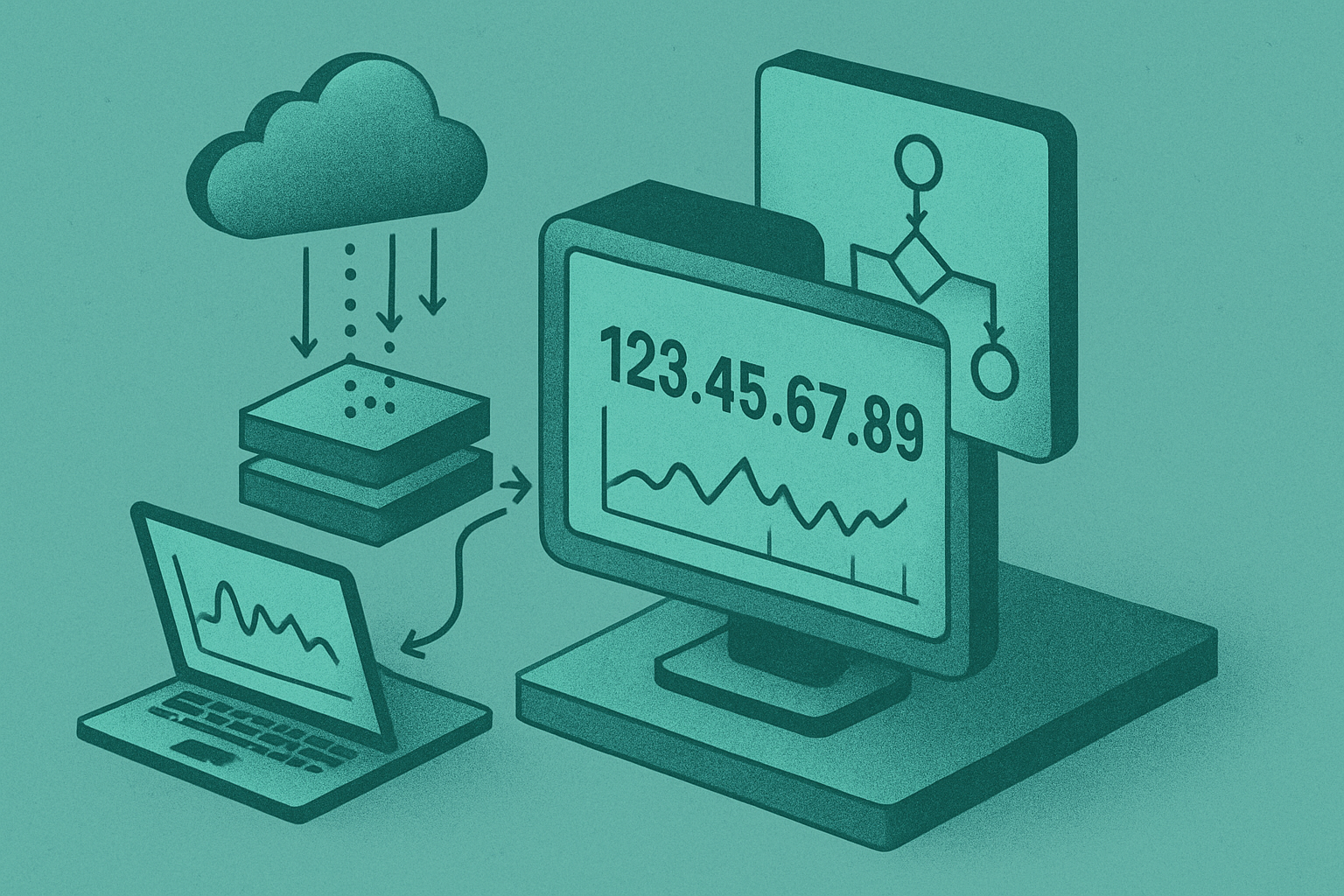
If you are deciding between geolocation and risk scoring, use this checklist:
- Define the business question first. Are you localizing traffic or evaluating trust?
- Treat geolocation as a descriptive signal, not a fraud verdict.
- Add risk scoring when you need to evaluate proxies, datacenter traffic, or repeat abuse.
- Combine IP signals with email and behavioral context when possible.
- Review false positives in the context of your own audience and traffic patterns.
A practical implementation often starts simple. First, enrich the IP. Then compare the result against other submission-level signals. Finally, use the combined view to guide your internal workflow.
Key Takeaways
- IP geolocation tells you where an address appears to be located.
- IP risk scoring tells you whether that address looks suspicious.
- Location data alone is not enough for fraud prevention or lead quality workflows.
- Combining IP intelligence with other signals creates a stronger trust model.
- Start with the business question, then choose the signal that answers it.